Experience the Fibre of Foxton
This History of Harakeke (Flax)
Long before mills lined the riverbanks of Piriharakeke (the Manawatū River Loop at Foxton) , harakeke (flax) was a treasured taonga of Māori.
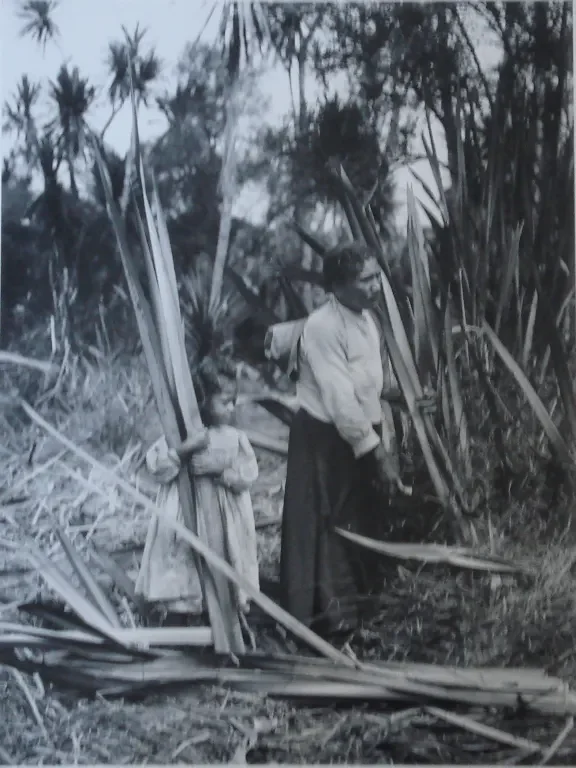
Within its long green leaves lies a strong white fibre that sustained communities for generations. Carefully cut, scraped with mussel shells, washed and beaten by hand, the fibre was woven into kete, fishing nets, ropes and clothing. The knowledge of how to harvest and prepare harakeke was passed down through whakapapa, grounded in respect for the plant and the land it grew from.
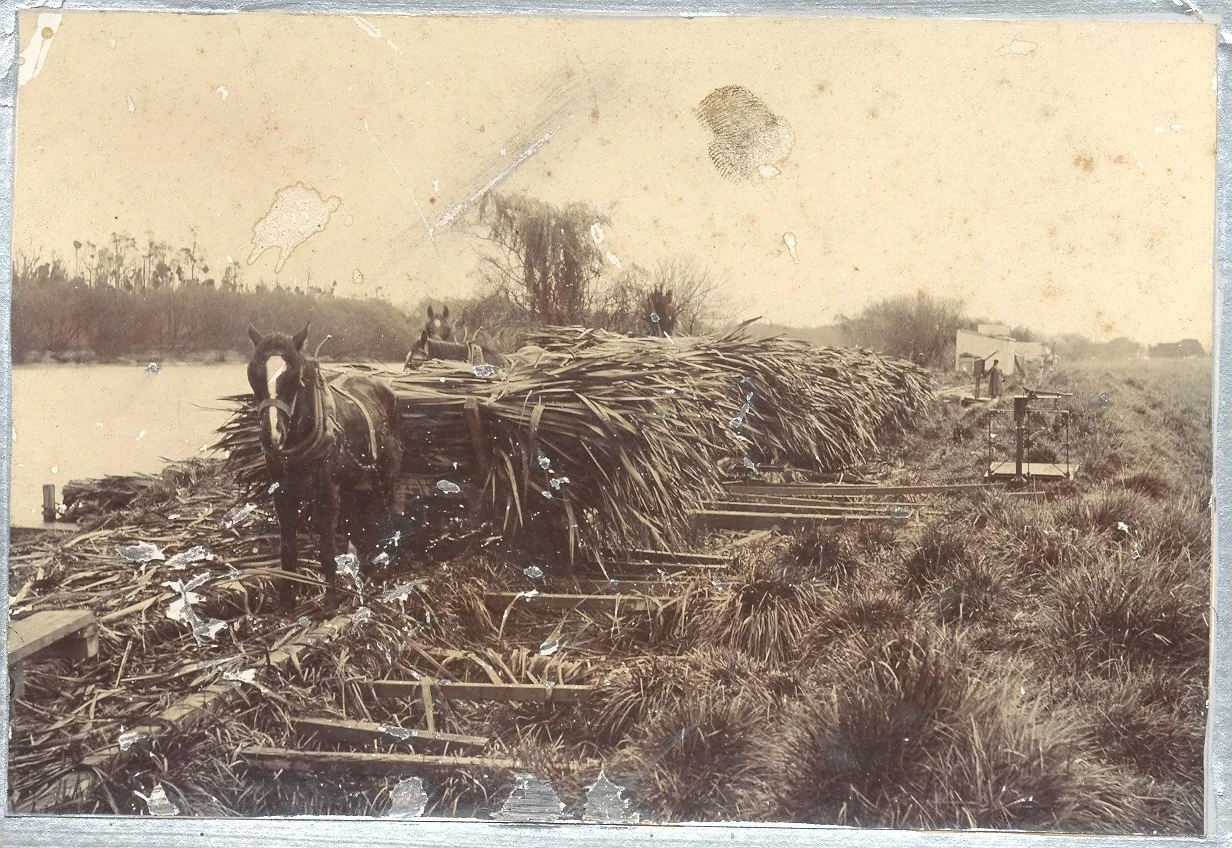
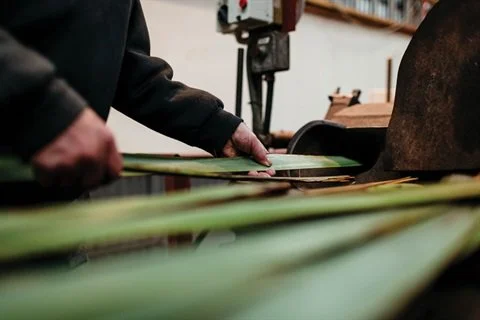
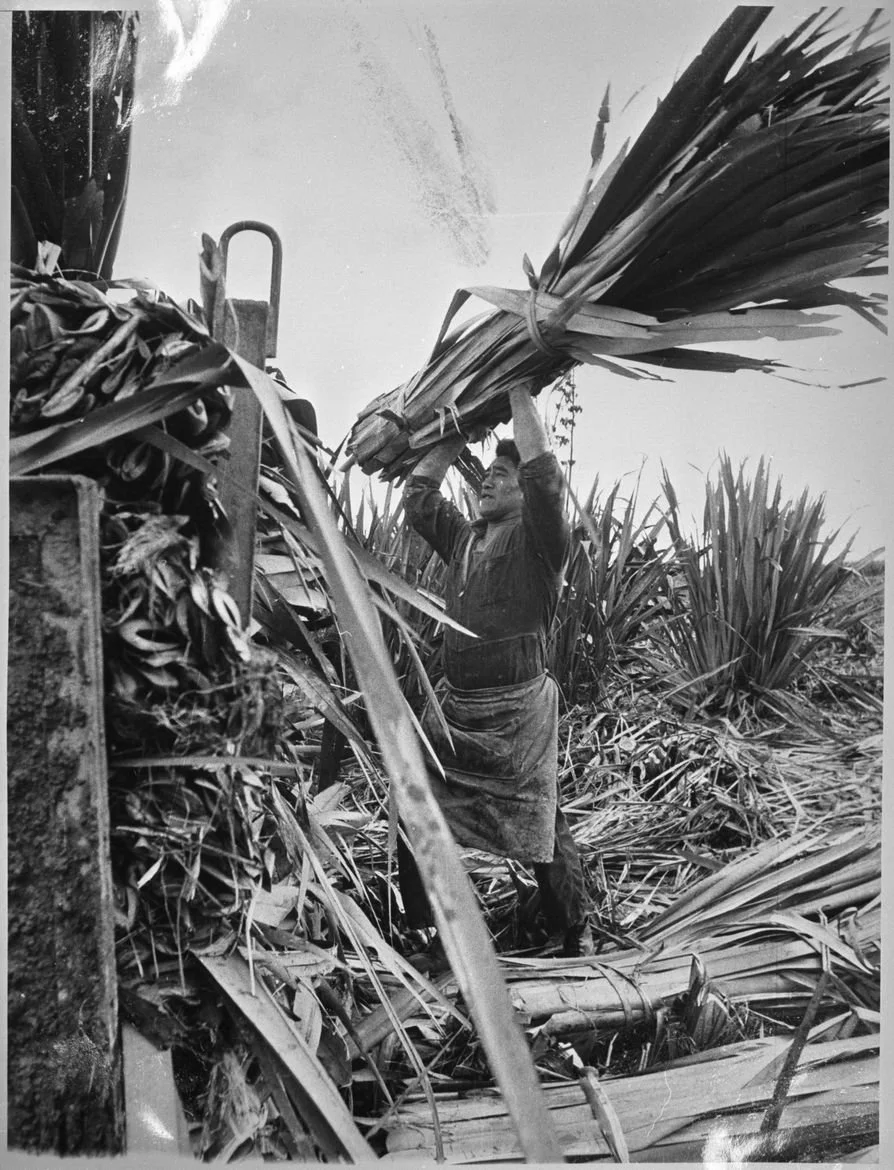
In the 1800s, that same fibre sparked an industry. Mechanical strippers replaced hand scraping, and Foxton became a centre of flax milling. What had long been a source of cultural strength became a driver of trade and employment, connecting Te Awahou (Foxton) to markets across the world.
Harakeke is more than a plant in our story. It is the fibre that binds together culture, community and industry — the fibre of Te Awahou (Foxton).